
The Mental Load Shift goes to work: our pilot with Merz Lifecare
On 21 October a group of employees at Merz Lifecare started The Mental Load Shift. It is the first time our program runs inside a company.
How it came to Merz Lifecare
Jessica Sommer, head of HR at Merz Lifecare, brought the idea to CEO Xenia Barth. Merz Lifecare then announced the program to its whole workforce, and Xenia wrote about it on LinkedIn. Her post began:
There is a burden that no organisation chart shows, no calendar records and hardly anyone says out loud.
And a few lines later:
It leaves no entry in the system and appears in no line of a job description. But it constantly costs capacity.
The post travelled far beyond Merz Lifecare. Many people recognised themselves in it, and many asked how their own employer could help. Xenia also wrote about who signed up first:
Our program is aimed at our entire workforce. The registrations for our pilot, however, come mostly from women. That doesn’t surprise me. But it shows exactly why we need this program.
Quotes translated from Xenia Barth’s LinkedIn post, published in German.
What The Mental Load Shift is
The Mental Load Shift is a 120-day program that Rosa Di Donna, founder of familymind, developed together with coach Andrea Böckle of Work Futurists. It is not about individuals organising themselves better. It is about making responsibility at home visible and sharing it differently.
The program runs in three phases: naming the expectations nobody says out loud, distributing the load more fairly, and turning that into new routines that last. Participants meet for guided check-ins, and the first one took place on the day the pilot started. Between the sessions, the familymind app carries the work into everyday family life: a shared calendar, assistants for the week’s planning, and Even, which shows who is carrying what. The Mental Load Test gives every participant a starting point they can compare with their partner.
The pilot is open to every employee with care responsibility, regardless of gender, role or family model. It runs until March 2027.
How we will know if it works
Participants answer short anonymous questionnaires at the start, halfway through and at the end. We will share what we learn together with Merz Lifecare in spring 2027, as aggregated results only.
Why this matters to us
The mental load does not stay at home when someone leaves for work. It shows up in meetings, in calendars and in the energy people bring to their jobs. Employers are part of the system families live in. When a company like Merz Lifecare decides to address it openly, it changes what employees feel allowed to talk about.
“Xenia’s post showed how many people carry this alone,” says Rosa Di Donna. “What I find remarkable is that Merz Lifecare didn’t stop at the conversation. They are giving their people time and a structure to change something at home.”
We are grateful to Xenia Barth, Jessica Sommer and the team at Merz Lifecare for their trust, and to every participant who has started with us.
-
Courage is a request: how an unanswered message became an award final
Rosaria Di Donna 6 min read Nov 2026 -
The familymind web app is here, and it changes everything
Rosaria Di Donna 6 min read Oct 2026 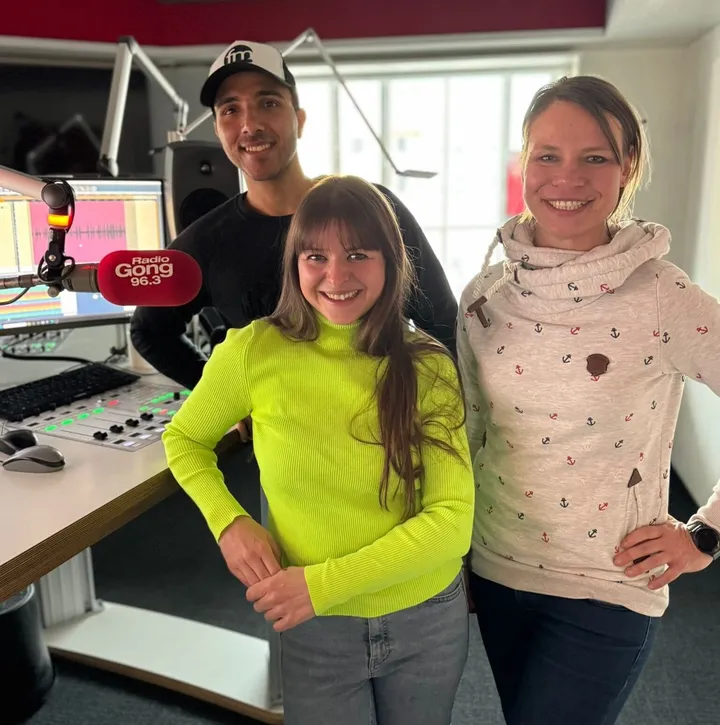 Company News
Third place at Radio Gong: Munich voted for families
familymind finished third of 20 startups in Radio Gong's 100,000 euro contest, and all of the top three were ideas for families.