
Weekly meal plan for families: plan once, stop deciding every night
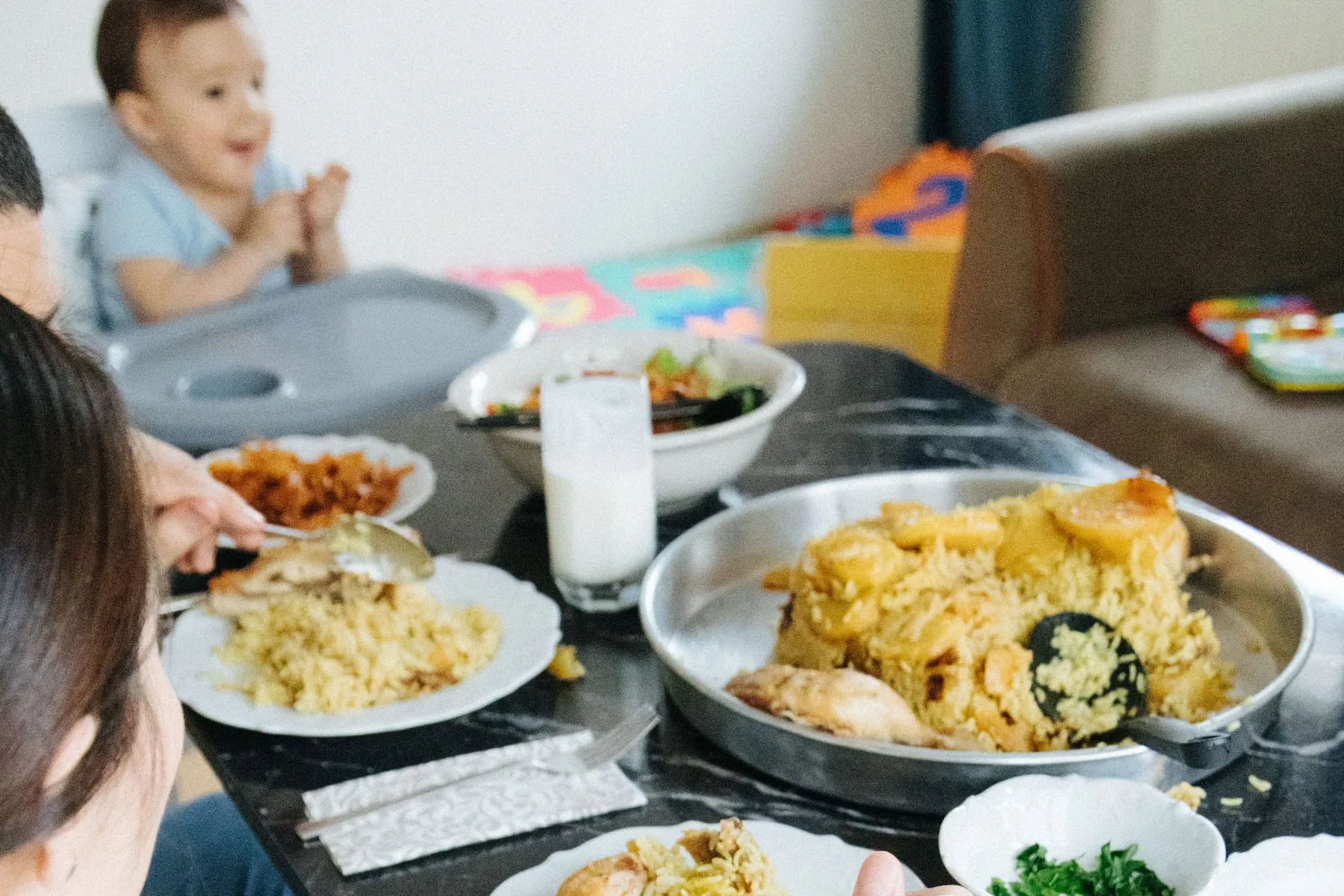
It is 5:40 pm. Someone opens the fridge, stares into it, and asks the question that arrives every evening like clockwork: “What are we having?” Nobody answers, because nobody has decided. So the person who usually decides decides again, tired, hungry and with a child hanging off one leg.
A weekly meal plan for families fixes exactly this moment. Not because planning is fun, but because it moves seven small, stressful decisions into one calm one. You decide once, on a quiet evening, and then the week just runs.
This guide gives you a simple routine that takes about 15 minutes a week, a template you can copy, and a few honest notes on what tends to go wrong.
Why “what’s for dinner?” is so tiring
Cooking takes time. Deciding takes something else. Before a single onion is chopped, someone has already checked what is left in the fridge, remembered that one child refuses anything green this month, noticed there is football on Thursday and recalled that pasta was on the table twice already.
That thinking is mental load. It is invisible, it repeats every day, and in most families it sits with one person, even when the other parent happily does the cooking. If you want to see how much of this kind of planning sits with you, the mental load score takes about three minutes.
The cooking is shared in many families. The deciding rarely is.
A meal plan does not remove the work. It makes it visible, does it once instead of seven times, and lets you share it.
The 15-minute weekly meal planning routine
1. Pick one fixed planning slot
Choose a time that already exists in your week, like Sunday after breakfast or Thursday evening before the big shop. Keep it short, 15 minutes is enough. A fixed slot matters more than a perfect plan, because it stops meal planning from leaking into every other evening.
2. Look at the week first, then at the food
Before you choose a single meal, look at the calendar. Late meetings, swimming lessons, a birthday party, a night when one parent is away. Busy nights get the fastest meals. Quiet nights can take the recipe that needs an hour. There is more on planning backwards from a busy schedule in calmer weekday mornings.
3. Give each night a theme
Theme nights sound childish and work brilliantly. “Pasta Monday, soup Tuesday, wraps Wednesday” turns an open question into a small one. You no longer choose from every dish in the world, you choose which pasta. Children love knowing what kind of night it is, and they argue less.
4. Build a base of repeat meals
Write down 10 to 15 dinners your family reliably eats. This is your base list. Most weeks, most nights should come from it. Add one new recipe a week at most, on a quiet evening. A plan made entirely of new recipes is a plan that gets abandoned by Wednesday.
5. Cook once, eat twice
Plan at least one meal that deliberately makes leftovers. Double the chilli on Monday and it becomes Wednesday’s wraps. Roast vegetables on Sunday and they turn into a pasta bake. It is the cheapest time saver in the whole system.
6. Leave room for real life
Keep one or two flexible slots: a leftovers night, a freezer night, or simply “something easy”. Weeks change. A plan with slack bends instead of breaking.
7. Write the shopping list from the plan
The plan is only half done until the shopping list exists. Go through each meal and write down what is missing, in one shared list that everyone in the family can see and add to. Whoever passes the supermarket can shop, without a phone call to ask what is needed.
8. Decide who cooks which night
This is the step most families skip, and it is the one that makes the plan fair. Put a name next to each night. It does not need to be 50/50. It needs to be agreed and visible. If one partner works late on Tuesdays, they take the weekend. We wrote about why fair and equal are not the same thing in fair, not equal.
A weekly family meal plan template
Copy this table into a note, print it or stick it on the fridge. The examples are only there to show how it fills up.
| Day | Theme | Meal | Who cooks |
|---|---|---|---|
| Monday | Pasta night | Tomato and lentil pasta (make double sauce) | Parent A |
| Tuesday | Soup night | Vegetable soup with bread | Parent B |
| Wednesday | Cook once, eat twice | Wraps with Monday’s sauce | Parent A |
| Thursday | Quick night | Omelette and salad (football day) | Parent B |
| Friday | Kids choose | Homemade pizza | Kids help, Parent A |
| Saturday | Flexible | Leftovers or something easy | Whoever is home |
| Sunday | Slow cooking | Roast vegetables and chicken | Parent B |
Underneath the table, add two lines. One for the shopping list, one for “ideas for next week”, so good suggestions do not get lost between planning slots.
How much of the family thinking sits with you?
The mental load score shows in about three minutes how the invisible planning in your home is shared, meals included.
Take the quizHow to get the whole family involved
A meal plan that lives in one head is just a tidier version of the same problem. The goal is that everyone knows the plan and has a small part of it.
- Let each child pick one dinner a week from the base list. Choosing from a short list avoids ten-minute debates and makes them far more likely to eat it.
- Give age-matched jobs. A four year old can wash vegetables, a seven year old can set the table and read the plan, a teenager can cook one night a week.
- Rotate the themes. Whoever picks Friday’s theme gets to name it. It is a small thing that keeps the plan from feeling like a rule from above.
- Make the plan visible. On the fridge, in a shared note or in a family app. If people can see the plan, they stop asking.
Common meal planning pitfalls
Planning too ambitiously. Seven new recipes in a week is a cookbook project, not a family plan. Stay mostly with what works.
Planning without the calendar. The lasagne that needs 90 minutes will not happen on the night of the parents’ evening. Always check the week first.
One person plans, everyone else eats. This is the most common one. The plan exists, but it is still carried by the same person, who now also has to remember to make it. Share the planning slot, or at least swap it every few weeks.
Treating the plan as a contract. If Thursday’s meal turns into Friday’s meal, the plan has done its job. It is there to remove decisions, not to add guilt.
How familymind’s assistant Mia helps with meal planning
Paper and a shared note work well. If you would rather not hold the system together yourself, familymind has an assistant for exactly this. Mia, the meals and shopping assistant, helps you plan the week’s meals once, with a shared shopping list to match, so “what are we eating?” stops being a daily chore.
Mia has just been rebuilt. She now keeps a family cookbook with all the meals you like and plans the week’s menu and shopping list from it, based on what you already have in stock. You can upload that inventory as a photo. A meal overview shows what gets cooked or prepped on which day and by whom, and you can drag favourite meals from the cookbook straight into the week. Custom instructions let you set new routines, like more variety in vegetables and herbs. These larger views live in the new web app, which stays in sync with the phone app. Read more about it in our post on the AI meal planner for families.
Because Mia sits inside familymind alongside the family calendar and the shared task list, the meal plan is part of the same week everyone already sees, not one more list in one more place. If you are curious what else AI can do around dinner, we compared a few options in top AI tools to help you figure out what to make for dinner. You can see how the assistants work together on the families page.
Plan once, then share it
A weekly meal plan is not about becoming a more organised person. It is about deciding once instead of every night, and about making sure the deciding does not always land on the same shoulders. Start with this week: one slot, a base list, a name next to each night.
If meals are only one of many things you carry, take the mental load score and see how the invisible work in your family is really shared. And if you want a structured way to rebalance it, the familymind program walks you through it step by step.
Frequently asked questions
How do you make a weekly meal plan for a family?
Set one fixed 15-minute slot each week, give each night a loose theme, fill most nights from a base of meals your family already likes, keep one flexible night, write the shopping list from the plan, and agree who cooks which night.
How many meals should a family plan per week?
Plan five or six dinners and leave one or two nights open for leftovers, eating out or whatever is still in the fridge. A plan with some slack survives a real week far better than a perfect seven-night plan.
How do you get kids involved in meal planning?
Let each child choose one dinner a week from a short list, give them a small job that matches their age, like washing vegetables or writing items on the shopping list, and rotate who picks the theme night.
Why is deciding what to eat so exhausting?
Because it is a decision that repeats every single day and usually falls to the same person. Remembering what is in the fridge, who eats what and what was cooked last week is invisible mental load, even when someone else does the actual cooking.